
First Human Discovery on Earth
Discover Göbekli Tepe, the 11,000-year-old archaeological site in Turkey that revolutionized our understanding of early civilization, predating Stonehenge by 6,000 years.
Built between 9600 BCE and 8200 BCE, Göbekli Tepe stands as the world’s oldest known megalithic site, fundamentally transforming our understanding of prehistoric architecture and early human civilization. This UNESCO World Heritage Site in southeastern Turkey predates agriculture, challenging long-held assumptions about the progression of human society.
Location
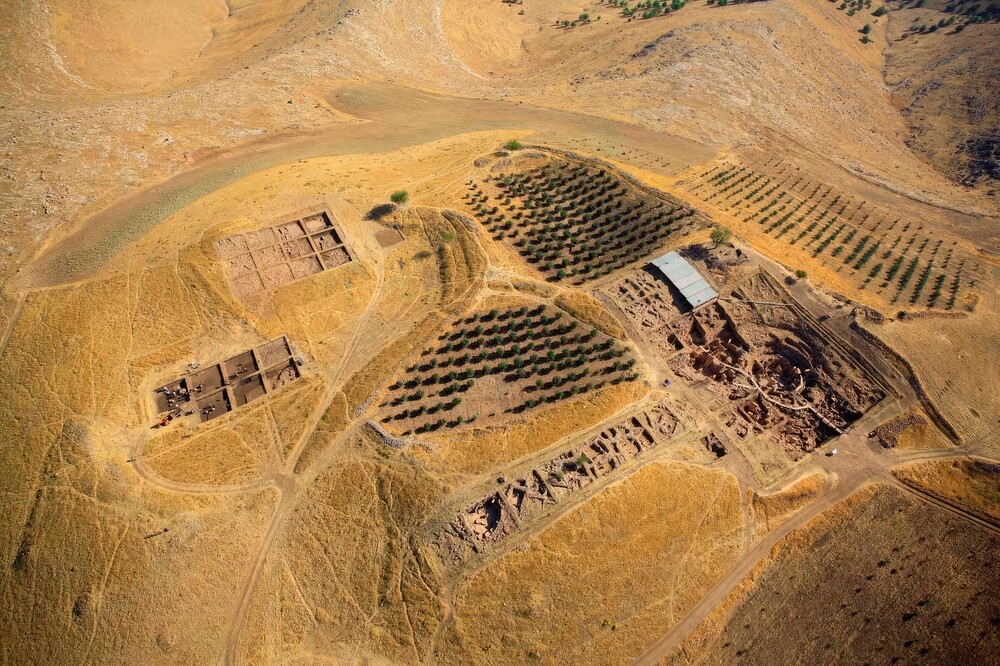
Gobekli Tepe is Located in the Germuş mountains of southeastern Anatolia, approximately 12 kilometers (7 miles) northeast of the city of Şanlıurfa in Turkey.
The site occupies a tell (artificial mound) approximately 300 meters in diameter and 15 meters high, situated on a flat limestone

Chronology and Dating
Göbekli Tepe was inhabited from approximately 9500 BCE to at least 8000 BCE during the Pre-Pottery Neolithic period. The site’s earliest exposed structures date to between 9500 and 9000 BCE, toward the end of the Pre-Pottery Neolithic A (PPNA) period. The site was significantly expanded in the early 9th millennium BCE and remained in use through the Pre-Pottery Neolithic B (PPNB) period. Radiocarbon dating places the construction of the main circular enclosures around 9000 BCE, making these structures approximately 11,000 years old.
Architectural Features
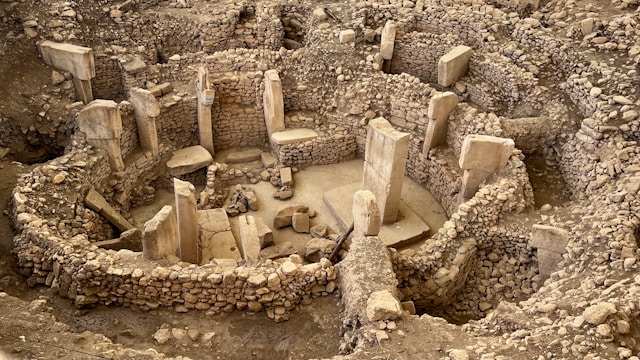
The most distinctive feature of Göbekli Tepe comprises monumental limestone T-shaped pillars that represent some of the world’s oldest known megaliths.
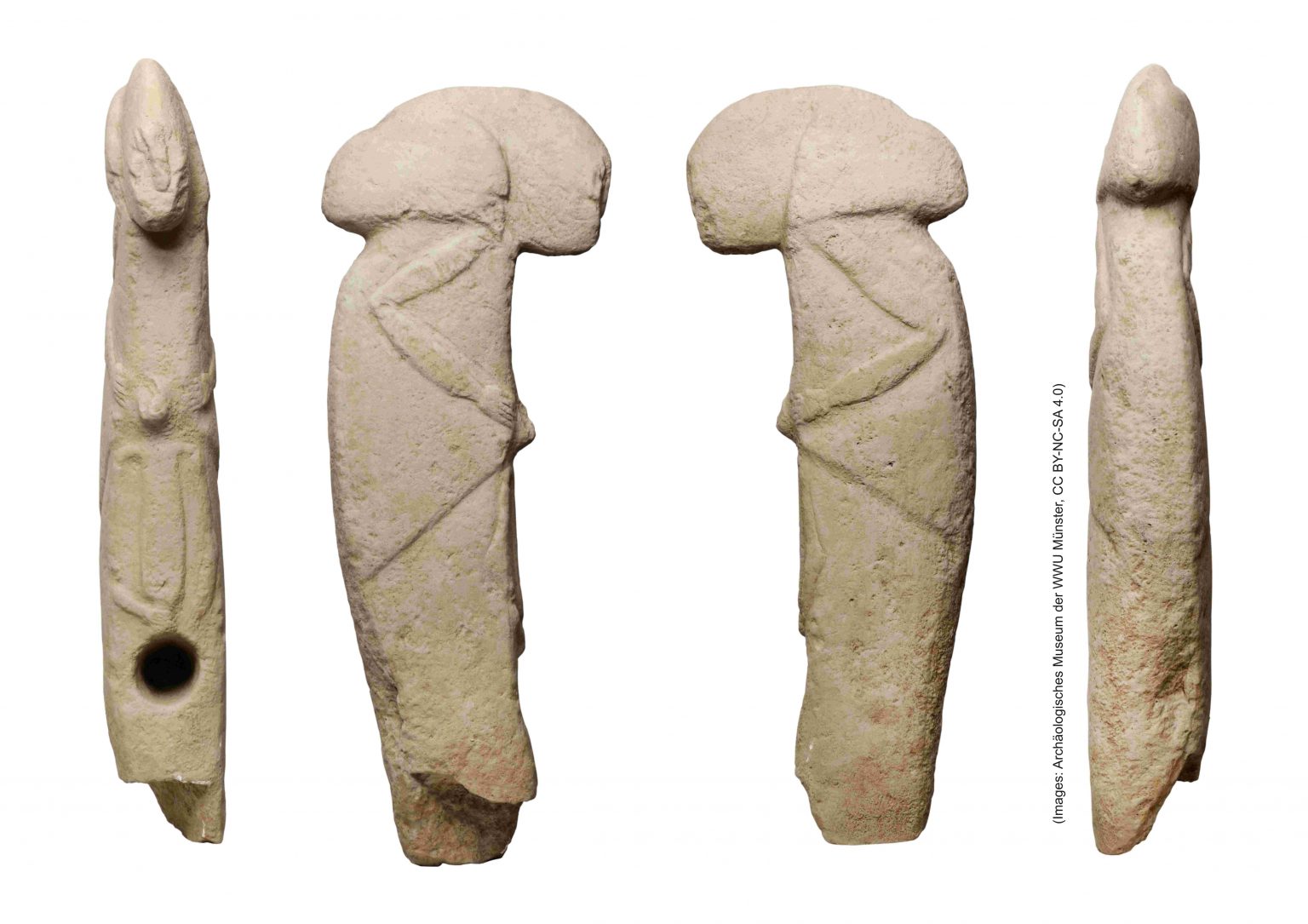
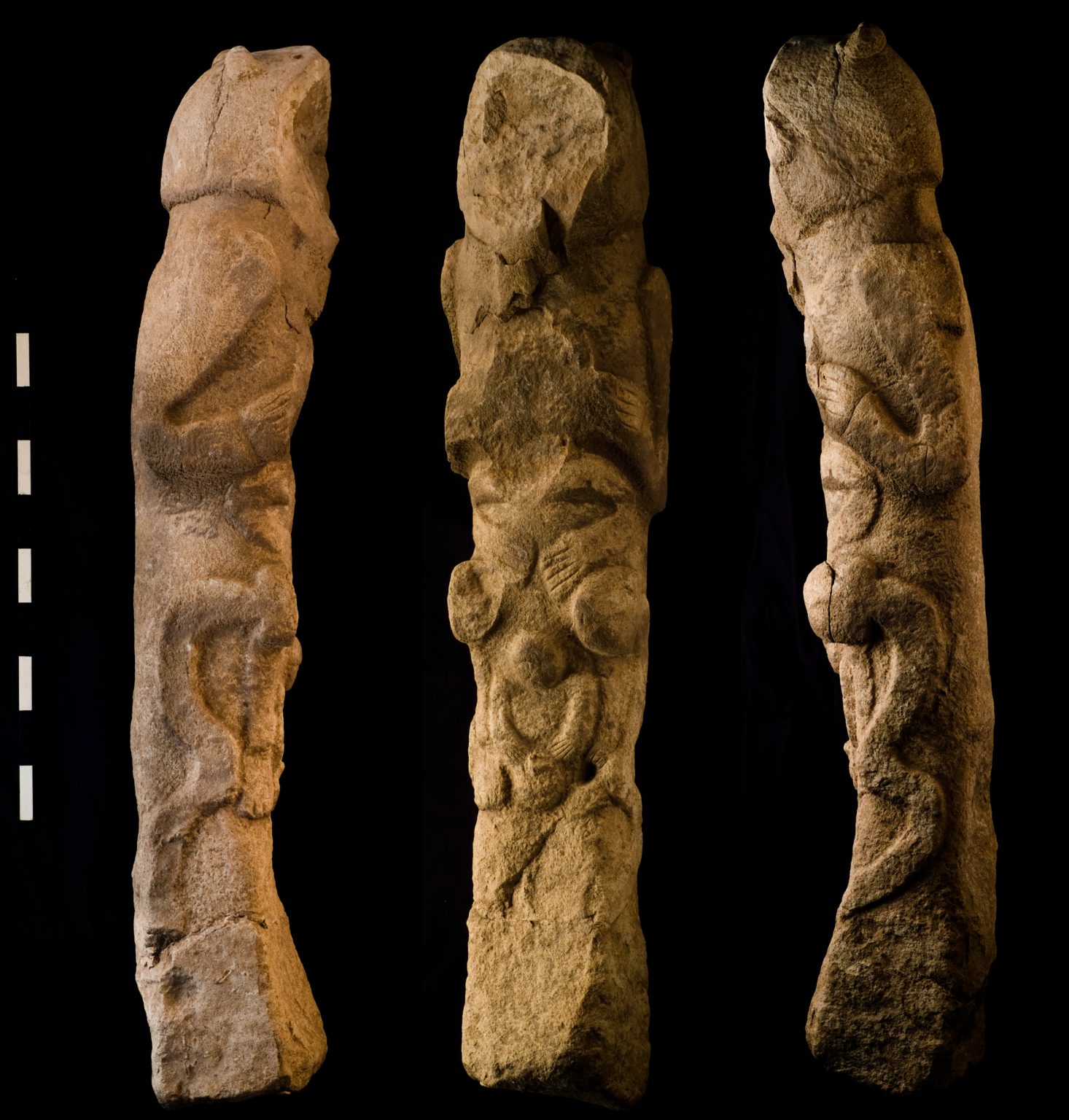
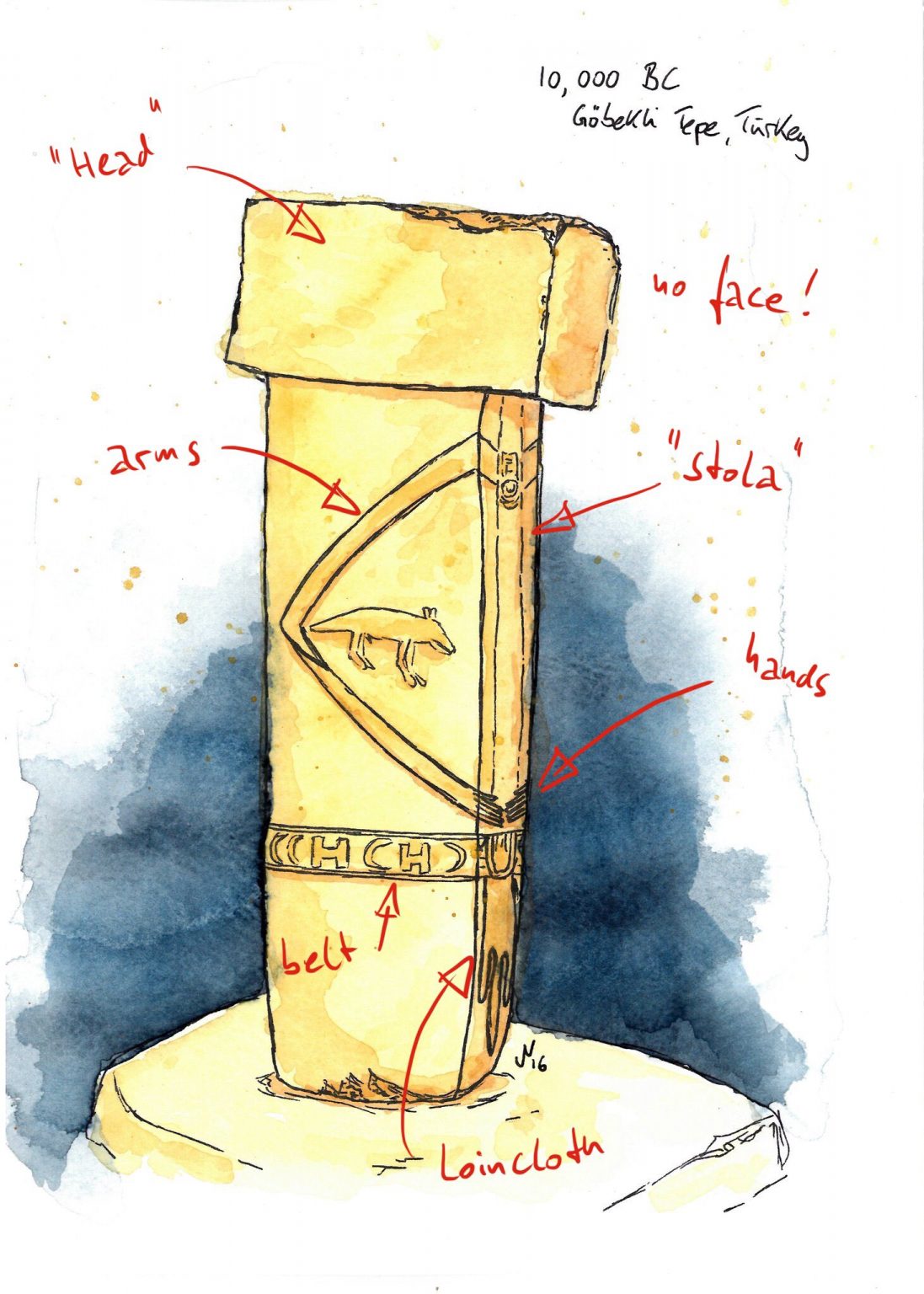
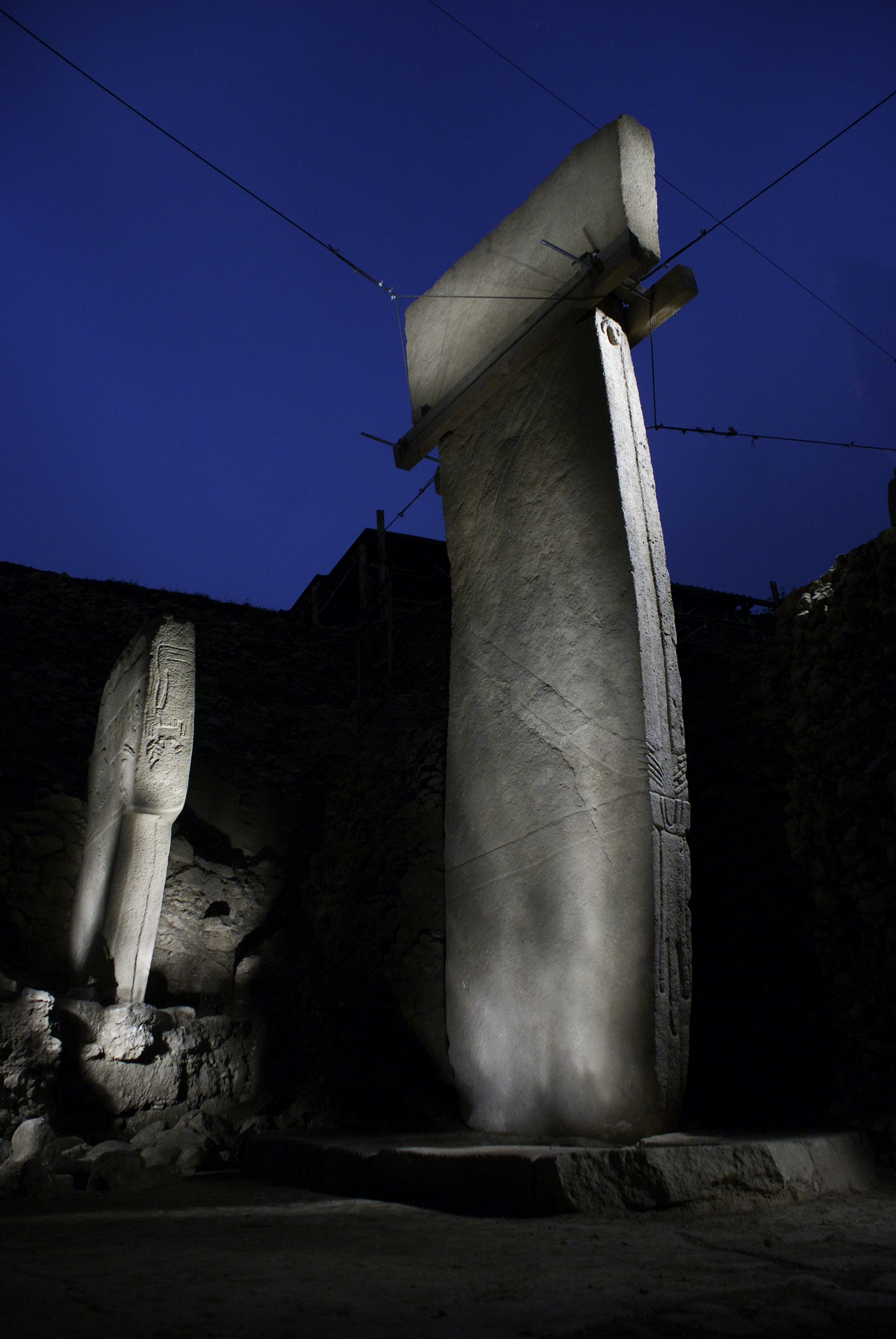
These pillars, which predated Stonehenge by approximately 6,000 years, are carved from soft limestone bedrock using flint points. The central pair of pillars in Enclosure D measure 5.5 meters (18 feet) tall and weigh approximately 8-10 metric tons each.
The site contains four major exposed circular enclosures (labeled A through D), each ranging from 10 to 30 meters in diameter. Each enclosure features two prominent central pillars standing face-to-face, surrounded by peripheral T-shaped pillars embedded within thick interior stone walls. The structures display remarkable geometric planning, with analysis indicating that three of the major enclosures (B, C, and D) were planned and initially built as a single hierarchical complex forming an equilateral triangle.
Later rectangular structures, perhaps designed for more efficient space usage compared to circular designs, also incorporated T-shaped pillars up to 1.5 meters tall, indicating the symbolic function of these pillars persisted across different architectural periods.
if you interested to read more about enclosures, please visit refrences below
cambridge https://shorturl.at/qje1K
tepetelegrams https://tepetelegrams.wordpress.com/tag/symbolic/
archaeology magazine https://archaeology.org/issues/may-june-2021/features/turkey-gobekli-tepe-hunter-gatherers/
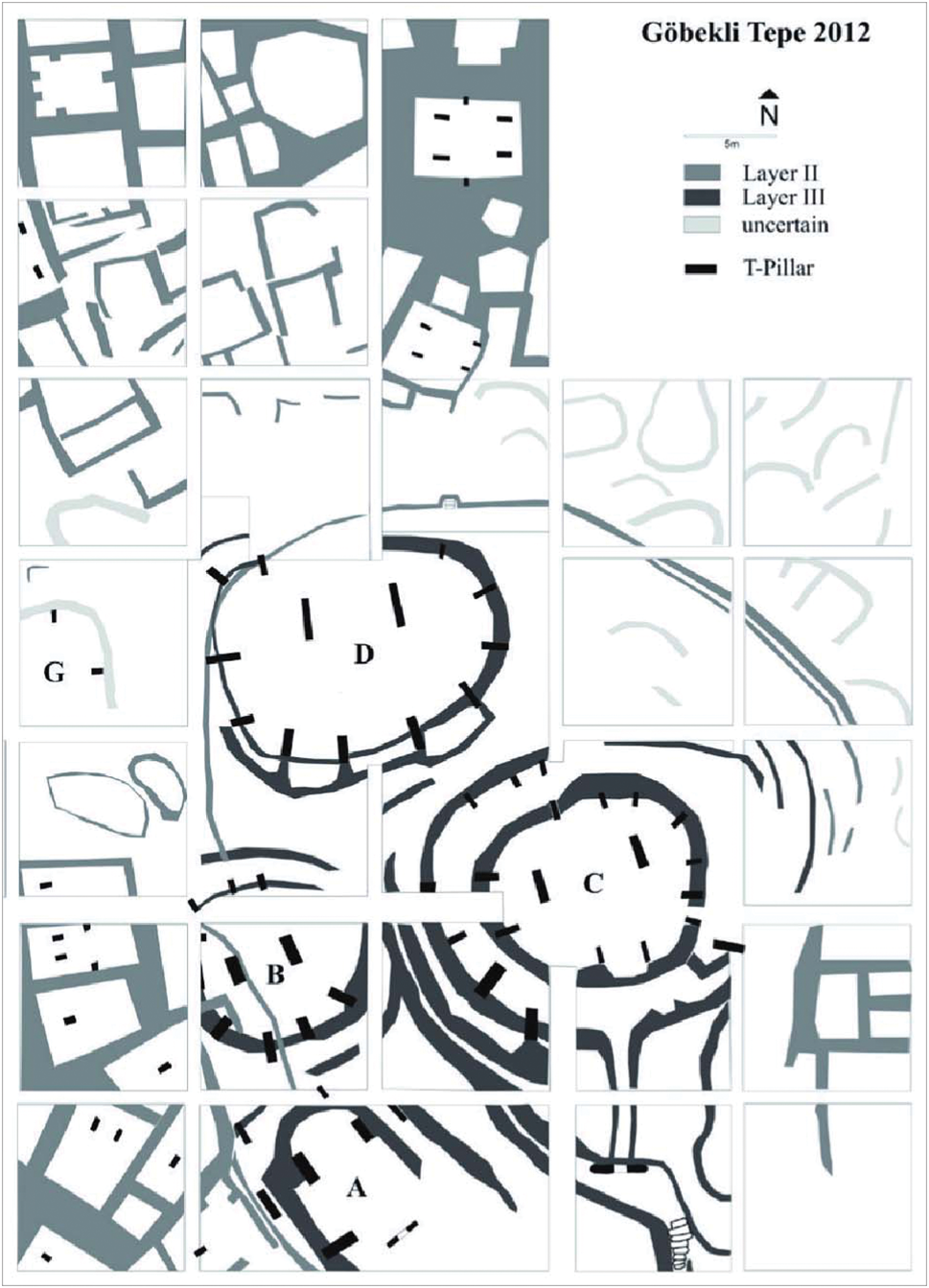


The site displays impressive diverse animal imagery termed by Klaus Schmidt as resembling “a Stone Age zoo.” Different enclosures emphasize distinct animal species. Enclosure A predominantly features snakes, Enclosure B emphasizes foxes, Enclosure C features boars, while Enclosure D highlights birds. This variation possibly represents different social groups or entities using particular enclosures.
Animal Iconography
The site displays impressive diverse animal imagery termed by Klaus Schmidt as resembling “a Stone Age zoo.” Different enclosures emphasize distinct animal species. Enclosure A predominantly features snakes, Enclosure B emphasizes foxes, Enclosure C features boars, while Enclosure D highlights birds. This variation possibly represents different social groups or entities using particular enclosures
Depicted animals include lions, bulls, boars, foxes, gazelles, donkeys, snakes, scorpions, spiders, insects, and particularly prominent vultures. Most carved animals are depicted as aggressive males, often shown as predators rather than the game animals that sustained the population. The absence of depictions of frequently hunted animals suggests symbolic rather than practical functions.
UNESCO Recognition
Göbekli Tepe was designated a UNESCO World Heritage Site in 2018, recognizing it as “one of the first manifestations of human-made monumental architecture.” The site received recognition under three criteria: representing masterpieces of human creative genius, exhibiting important interchange of human values regarding architectural innovation, and illustrating a significant period of human history through outstanding monumental ensembles
Göbekli Tepe remains an active field of research that continues reshaping archaeological understanding of human prehistory. As excavations proceed at a measured pace and new technologies reveal buried structures, this remarkable site promises further revelations about the origins of monumental architecture, religious belief systems, and the complex societies that emerged at the threshold of the Neolithic age.